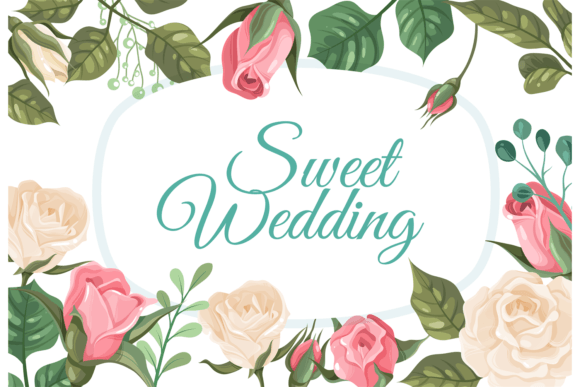
Wedding Card with Roses: A Romantic Floral Design
There’s an undeniable elegance that comes with a classic rose. It speaks of romance, timeless beauty, and careful attention to detail. For designers, marketers, and creative entrepreneurs, capturing that feeling in a digital asset can transform a project from ordinary to unforgettable. This is where a thoughtfully crafted floral design asset becomes invaluable. It’s more than just pretty flowers; it’s a versatile tool for building a visual language that resonates deeply with an audience, especially for projects centered around love, celebration, and sophisticated branding.
The Anatomy of a Timeless Floral Asset
A design like the "Wedding Card with Roses" isn't a single, rigid image. It’s a flexible composition built from high-quality vector elements. Think of it as a botanical toolkit. You typically get elegant pink and white roses, lush green leaves, and delicate stems arranged in a harmonious frame. Because it’s a vector (often in EPS format), you can scale it to the size of a billboard or a business card without losing a single bit of clarity. This scalability is the foundation of professional-grade design assets. The inclusion of formats like JPG and AI files ensures it’s ready for both print and digital workflows, making it a practical choice for busy creators who need assets that work seamlessly across different software and mediums.
Where Floral Design Meets Real-World Projects
The applications for this kind of romantic botanical graphic extend far beyond a literal wedding invitation. Its true value lies in its ability to inject a sense of crafted elegance into diverse projects. For a small business owner launching a skincare line, the floral elements could be deconstructed and used as subtle patterns on packaging boxes or as accents on a website's "About Us" page. A content creator could use the frame as a beautiful border for Instagram story announcements or as a header image for a blog post about garden parties or spring fashion.
Consider these practical uses:
- Brand Identity: A boutique hotel or a high-end florist could use the motifs to create a cohesive look across their logo, business cards, and menu design, establishing an instantly recognizable and romantic brand personality.
- Marketing & Social Media: The design can be broken apart. A single rose becomes a perfect graphic for a Twitter post, while the full frame makes a stunning Facebook cover photo. It’s ideal for promoting events, product launches, or seasonal sales with a touch of class.
- Editorial & Web Design: Bloggers and magazine designers can use these botanical elements to create elegant pull quotes, section dividers, or featured image backgrounds that enhance readability and visual appeal without distracting from the text.
- Digital Products & Merchandise: The illustration can be adapted for printable wall art, custom journal covers, or even patterns for phone cases and tote bags, offering creators a way to monetize beautiful design.
Building a Cohesive Visual Story
Using a central design asset like this helps solve one of the biggest challenges in branding and marketing: consistency. When your social media graphics, website headers, and printed materials all share the same botanical DNA, you create a seamless experience for your audience. This visual repetition builds trust and recognition. A customer might not remember your exact logo, but they’ll remember the feeling of elegance associated with your rose-themed visuals. This is where a premium font pairing becomes crucial. The floral frame sets a romantic, slightly traditional tone. Pairing it with a clean, modern sans-serif font for body text ensures readability, while an elegant serif or a flowing script font for headlines can mirror the artistry of the illustration. The key is to let the floral design and typography work in harmony, each enhancing the other without competing for attention.
Practical Considerations for Designers and Entrepreneurs
Before integrating such an asset into your workflow, a few practical checks will save you time and trouble. First, always review the licensing. A commercial license is essential if you plan to use the design in products for sale, client work, or widespread marketing. It protects you legally and ensures the original creator is fairly compensated. Next, test how the elements adapt. Can you easily change the color of the roses in a vector editor to match a specific brand palette? How does the JPG version look when placed over a dark background? Does the EPS file open cleanly in your preferred software? These technical checks are part of a professional design process.
Finally, think about your audience. The romantic, spring-summer vibe of this particular design is perfect for targeting demographics interested in weddings, gardening, luxury lifestyle, or feminine brands. It might be less suitable for a tech startup or a rugged outdoor brand, where a different visual language would be more authentic. The most effective design choices are those that align not just with a project’s goals, but with the expectations and tastes of the people you’re trying to reach. By thoughtfully selecting and applying a versatile asset like a floral wedding card design, you’re not just decorating; you’re communicating a specific emotion and value proposition that can significantly elevate your creative work.