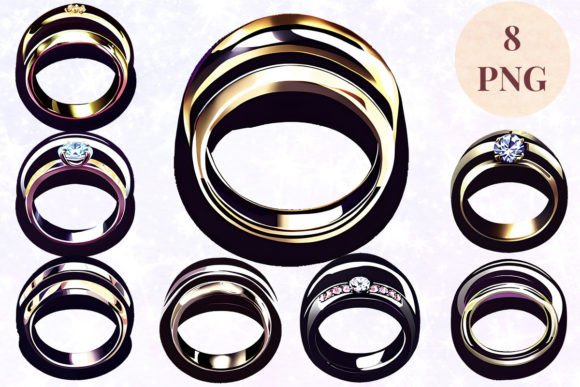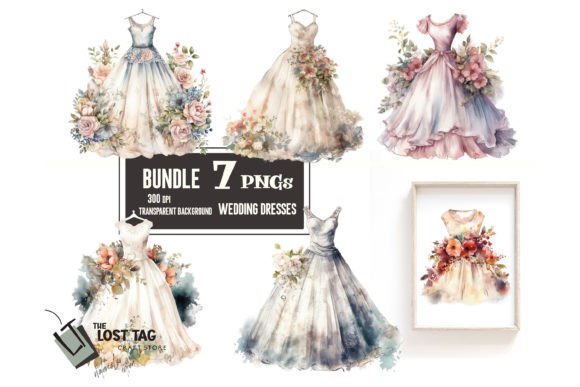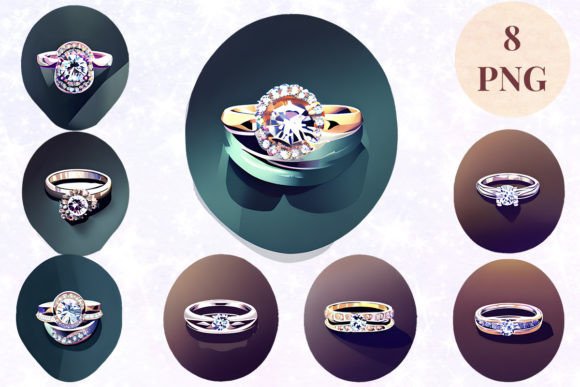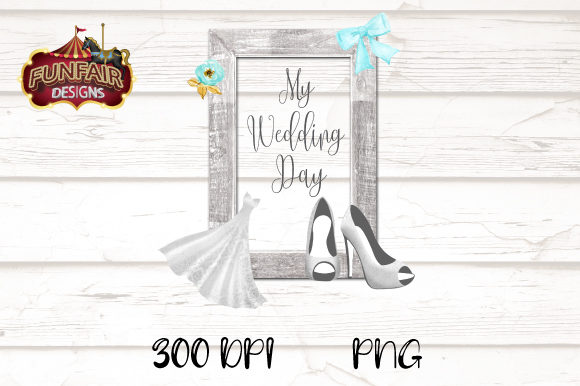
Elegant Paper Wedding Clipart for Your Creative Projects
Finding the right design assets can transform a good project into an unforgettable one. Whether you're crafting a brand identity, designing wedding stationery, or building a cohesive social media presence, high-quality visuals make all the difference. This collection of paper-inspired wedding clipart offers a versatile solution for designers and creators who need elegant, professional imagery without the hassle of custom illustrations or expensive licensing.
Why Paper Textures and Wedding Imagery Work So Well Together
There's something inherently romantic about paper. It carries a sense of tradition, thoughtfulness, and personal touch—qualities that align perfectly with wedding-themed projects. The soft textures, subtle grain, and warm tones found in paper-based clipart evoke feelings of nostalgia and authenticity that digital-only graphics often struggle to achieve.
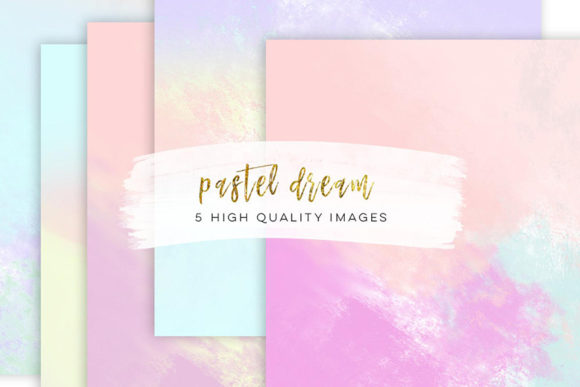
These five high-quality images capture that timeless aesthetic. Each file delivers 300 dpi resolution at 12" x 12" (3000x3000 pixels), giving you substantial flexibility for both print and digital applications. The JPEG format ensures broad compatibility across design software, from Adobe Creative Suite to Canva to Procreate, while the absence of watermarks means you can incorporate them directly into client work or commercial products.
Practical Applications Across Industries
The versatility of this clipart collection extends well beyond wedding invitations. Here's where these assets genuinely shine:
Branding and Logo Design: Small businesses in the wedding industry—planners, florists, photographers, caterers—often need visual elements that communicate elegance without feeling stuffy. Paper textures layered behind typography or combined with other design elements create logos and brand marks that feel handcrafted and approachable. The neutral, organic quality of paper imagery pairs beautifully with script fonts, serif typefaces, and modern sans-serif lettering alike.
Packaging and Product Design: If you sell handmade goods, artisanal products, or gift items, incorporating paper textures into your packaging design adds a tactile quality that resonates with customers. Think tissue paper backgrounds for product mockups, wrapping paper patterns, or box design elements that suggest care and craftsmanship.
Social Media and Website Graphics: Consistency across digital platforms builds brand recognition. Using the same paper clipart elements across Instagram posts, Pinterest pins, Facebook headers, and website banners creates a unified visual language. These textures work particularly well as background layers for quote graphics, announcement posts, and promotional materials.
Print Materials and Invitations: This is perhaps the most natural application. Wedding invitations, save-the-dates, RSVP cards, and ceremony programs all benefit from paper-inspired backgrounds. The high resolution ensures crisp printing at standard sizes, and the generous dimensions mean you won't need to upscale or worry about pixelation.
Editorial Layouts and Book Covers: Publishers and authors working on romance novels, wedding planning guides, or lifestyle publications can use these textures as cover backgrounds or chapter dividers. The aesthetic communicates warmth and sophistication without competing with typography.
Merchandise and Digital Products: From printable wall art to tote bag designs to digital planners, paper clipart integrates seamlessly into products you sell. The commercial-ready files mean you can create and distribute without licensing headaches.
Matching Visual Assets to Your Project Goals
Before downloading any design asset, it helps to clarify what you're actually trying to communicate. Paper textures generally fall into a spectrum—from crisp, modern linen finishes to aged, vintage parchment effects. Understanding where your project sits on that spectrum guides your creative decisions.
For contemporary brands targeting younger audiences, cleaner paper textures with minimal distressing work best. They suggest modernity while retaining that handmade quality. For projects leaning into vintage, rustic, or bohemian aesthetics, more textured and aged paper elements create the right mood.
Consider your color palette as well. Paper clipart typically features warm whites, creams, and soft beiges, which pair naturally with earth tones, muted pastels, and classic black-and-white schemes. If your brand uses bold, saturated colors, these neutral backgrounds actually help those hues pop without visual competition.
Integrating Clipart with Typography Choices
A common mistake designers make is treating imagery and typography as separate decisions. They're deeply connected. The paper textures in this collection have an organic, handcrafted quality that pairs exceptionally well with certain font styles:
- Script and handwritten fonts complement the romantic, personal feel of paper backgrounds. They work beautifully for headlines, monograms, and accent text on wedding materials.
- Serif typefaces with moderate contrast add a classic, editorial quality that feels sophisticated against textured backgrounds.
- Sans-serif fonts create an interesting tension—modern letterforms against traditional textures—that can feel fresh and contemporary.
When testing font pairings, pay attention to readability. Textured backgrounds can interfere with legibility if the contrast isn't sufficient. Adding a semi-transparent overlay, subtle drop shadow, or solid text box between the paper texture and your typography often solves this problem elegantly.
Building a Cohesive Visual System
The real power of having a curated clipart collection lies in consistency. When you use the same five paper textures across your entire project—website hero images, social media templates, printed materials, email headers—you create a visual thread that ties everything together. This consistency builds brand recognition far more effectively than constantly changing your visual approach.
Start by selecting one or two textures from the collection that best represent your project's personality. Use one as your primary background and reserve the others for variation or secondary applications. This approach prevents visual monotony while maintaining coherence.
For business owners who aren't designers by trade, this kind of asset library simplifies the creative process significantly. Instead of searching for new graphics every time you need a social media post or promotional flyer, you already have a reliable set of professional-quality images ready to use.
Technical Considerations Worth Noting
At 300 dpi and 3000x3000 pixels, these files handle most standard print and digital requirements comfortably. For large-format printing—posters, banners, trade show displays—you may need to check whether the resolution holds up at your specific output size. Generally, 300 dpi supports sharp printing up to about 10" x 10" at full quality, with acceptable results at larger sizes depending on viewing distance.
The JPEG format is universally compatible but does use lossy compression. For projects requiring transparency or layering flexibility, importing these files into your design software and working with additional layers on top is the standard workflow. Most professional designers work this way regardless of file format.
Always verify that any clipart you purchase includes commercial licensing if you plan to use it in client work, products for sale, or business marketing. Understanding the terms upfront prevents complications later, especially if your project scales or gets reproduced widely.
These paper wedding clipart files offer a practical, beautiful foundation for a wide range of creative work. Whether you're designing a single invitation or building an entire brand system, having reliable, high-resolution assets at your fingertips makes the creative process smoother and the results more polished.